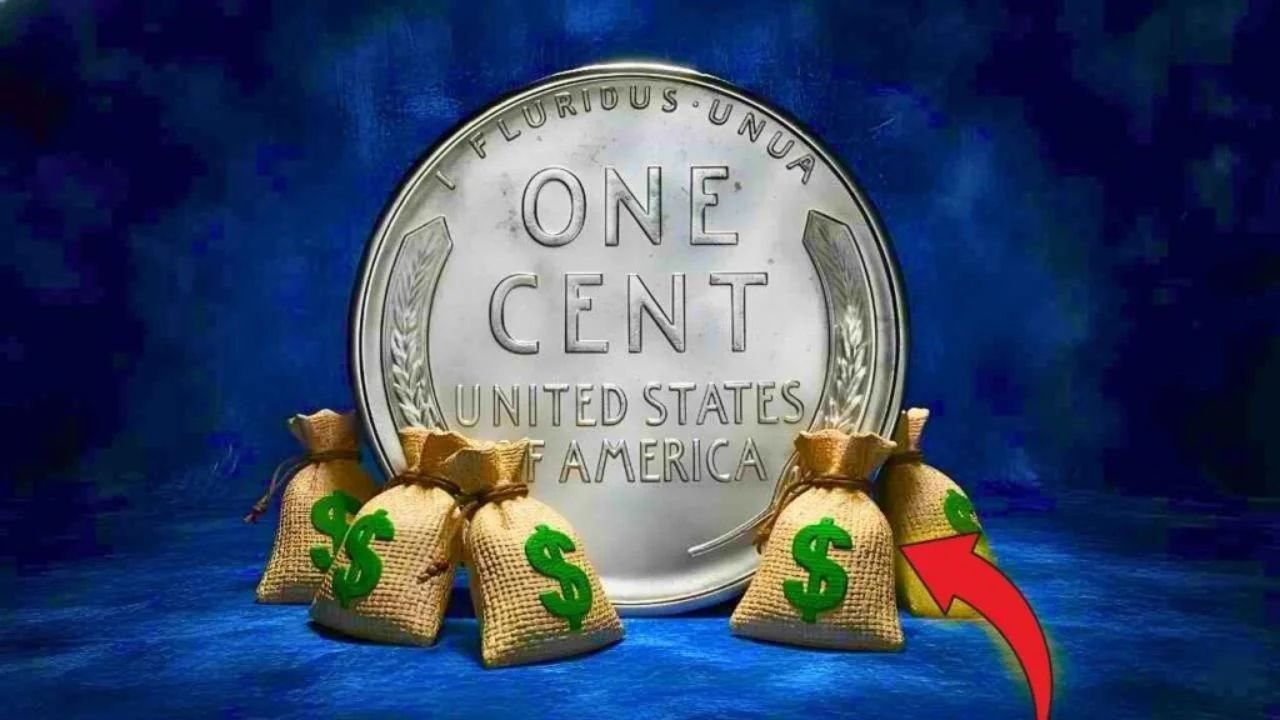
For more than a century, the Lincoln Wheat Penny has remained one of the most recognizable and widely collected coins in American numismatic history. Originally minted between 1909 and 1958, these small copper coins have evolved from everyday pocket change into highly sought-after collectibles.
Over the past decade, interest in Wheat Pennies has grown significantly among both seasoned collectors and younger hobbyists entering the world of coin collecting. The combination of historical significance, affordability, and the possibility of discovering rare varieties has made these coins particularly attractive in today’s collectible market.
While many Wheat Pennies are still worth only a few cents above their face value, certain rare examples have seen dramatic price increases in the last ten years. Understanding these market trends can help collectors recognize the true potential hidden within these historic coins.
The Origins of the Lincoln Wheat Penny
The Lincoln Wheat Penny was first introduced in 1909 to commemorate the 100th anniversary of President Abraham Lincoln’s birth. Designed by sculptor Victor David Brenner, the coin marked a major milestone in American coinage.
Before this release, U.S. coins traditionally featured symbolic figures rather than real individuals. The Lincoln cent became the first circulating American coin to display the portrait of an actual historical figure.
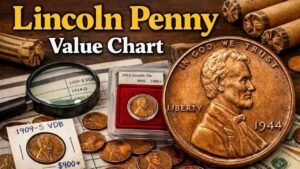
The obverse side presents a profile of President Lincoln, accompanied by the inscriptions “IN GOD WE TRUST,” “LIBERTY,” and the coin’s minting year. The reverse features two wheat stalks framing the words “ONE CENT” and “UNITED STATES OF AMERICA,” giving the coin its popular nickname: the Wheat Penny.
These coins were produced for nearly five decades before the design changed in 1959 to the Lincoln Memorial reverse.
Key Wheat Penny Facts Every Collector Should Know
Collectors often start by learning the basic characteristics that define the Wheat Penny series.
Years Minted: 1909 – 1958
Designer: Victor David Brenner
Metal Composition:
- 1909–1942: 95% copper, 5% tin and zinc
- 1943: Zinc-coated steel
- 1944–1958: 95% copper, 5% zinc
Weight: 3.11 grams (steel versions slightly lighter)
Diameter: 19 millimeters
Front Design: Abraham Lincoln portrait
Reverse Design: Two wheat stalks surrounding the denomination
While these specifications describe most coins in the series, several rare variations and minting errors have become extremely valuable over time.
Rare Wheat Pennies That Drive the Market
Over the past decade, several key Wheat Penny varieties have consistently dominated the collector market. These coins are considered “key dates” because of their low mintage numbers or unusual production circumstances.
1909-S VDB Lincoln Cent
The 1909-S VDB remains one of the most famous coins in American numismatics. Produced in San Francisco, this coin features the initials “VDB” of designer Victor David Brenner on the reverse.
Only a limited number were minted before the initials were removed from later issues. Because of this brief production window, surviving examples are highly sought after. High-grade specimens can sell for tens of thousands of dollars.
1914-D Wheat Penny
The 1914-D Lincoln cent is another key rarity in the series. With relatively low production numbers from the Denver Mint, this coin has become one of the most difficult Wheat Pennies to locate in strong condition.
Even heavily circulated examples can command significant prices, while mint-state versions may reach five-figure values.
1922 “No D” Error Penny
One of the most fascinating errors in the series occurred in 1922. Due to worn mint dies at the Denver Mint, some coins were struck without the “D” mint mark.
These unusual coins appear similar to Philadelphia issues, but the year 1922 was produced exclusively in Denver. The missing mint mark instantly turned these coins into prized error varieties.
1931-S Wheat Penny
During the Great Depression, demand for new coins fell dramatically. As a result, the San Francisco Mint produced a very limited number of pennies in 1931.
Because many were saved by collectors at the time, high-grade examples still exist, but demand continues to push values upward.
The Unique Story of the 1943 Steel Penny
One of the most unusual chapters in Wheat Penny history occurred during World War II.
Copper was needed for wartime manufacturing, including ammunition and military equipment. To conserve resources, the U.S. Mint temporarily switched penny production to steel coated with zinc in 1943.
These steel cents appear silver rather than copper and are easily recognized by their magnetic properties.
Although millions were produced, collectors still enjoy finding these unusual coins today. Well-preserved examples often sell for modest premiums above face value.
The Legendary 1943 Copper Penny Error
While most 1943 pennies were made of steel, a small number were accidentally struck using leftover copper planchets from the previous year.
These rare copper error coins have become some of the most valuable pennies ever discovered. Only a few examples are known to exist, and they have sold for hundreds of thousands of dollars at auction.
Their rarity has made them legendary within the coin collecting community.
The Famous 1955 Doubled Die Penny
Another celebrated error coin is the 1955 Doubled Die Lincoln cent.
During the minting process, a misalignment occurred when preparing the dies used to strike the coin. As a result, the date and inscriptions appear doubled, creating a dramatic visual effect that can be seen without magnification.
Collectors quickly recognized the unusual appearance, and the coin has remained one of the most famous error varieties ever produced.
Even circulated examples can sell for hundreds or thousands of dollars depending on condition.
Market Trends Over the Last Decade
The market for Wheat Pennies has experienced steady growth over the past ten years. Several key factors have contributed to this trend.
First, the expansion of online marketplaces has made it easier for collectors to buy and sell rare coins. Auction platforms now provide transparent pricing information, helping collectors understand real market values.
Second, professional grading services such as PCGS and NGC have strengthened buyer confidence. By certifying authenticity and condition, these services help establish consistent pricing standards.
Finally, a new generation of collectors has entered the hobby through online communities, educational videos, and social media groups dedicated to coin collecting.
This growing interest has brought renewed attention to classic coins like the Wheat Penny.
Practical Tips for New Wheat Penny Collectors
For those interested in starting a Wheat Penny collection, several simple strategies can make the process both enjoyable and rewarding.
Search Everyday Change
Although rare dates are uncommon, Wheat Pennies still occasionally appear in circulation.
Examine Dates and Mint Marks
Always check the year and look for mint marks beneath the date. These small details can dramatically influence value.
Avoid Cleaning Coins
Cleaning coins can permanently damage their surface and significantly reduce their collector value.
Store Coins Properly
Use protective coin holders or albums to preserve the condition of your collection.
Learn Basic Coin Grading
Understanding how condition affects value is one of the most important skills in coin collecting.
Why Wheat Pennies Continue to Fascinate Collectors
Beyond their financial value, Wheat Pennies hold a powerful historical connection. These coins circulated through some of the most transformative periods in modern history, including the Great Depression, World War II, and the economic growth of the mid-twentieth century.
Each coin represents a small piece of everyday life from those eras. For collectors, holding a Wheat Penny is like holding a fragment of history.
While only a handful of these coins reach extraordinary prices, the thrill of discovering a rare example keeps collectors searching. In the world of numismatics, even the smallest coin can carry a remarkable story—and sometimes, a surprising value.