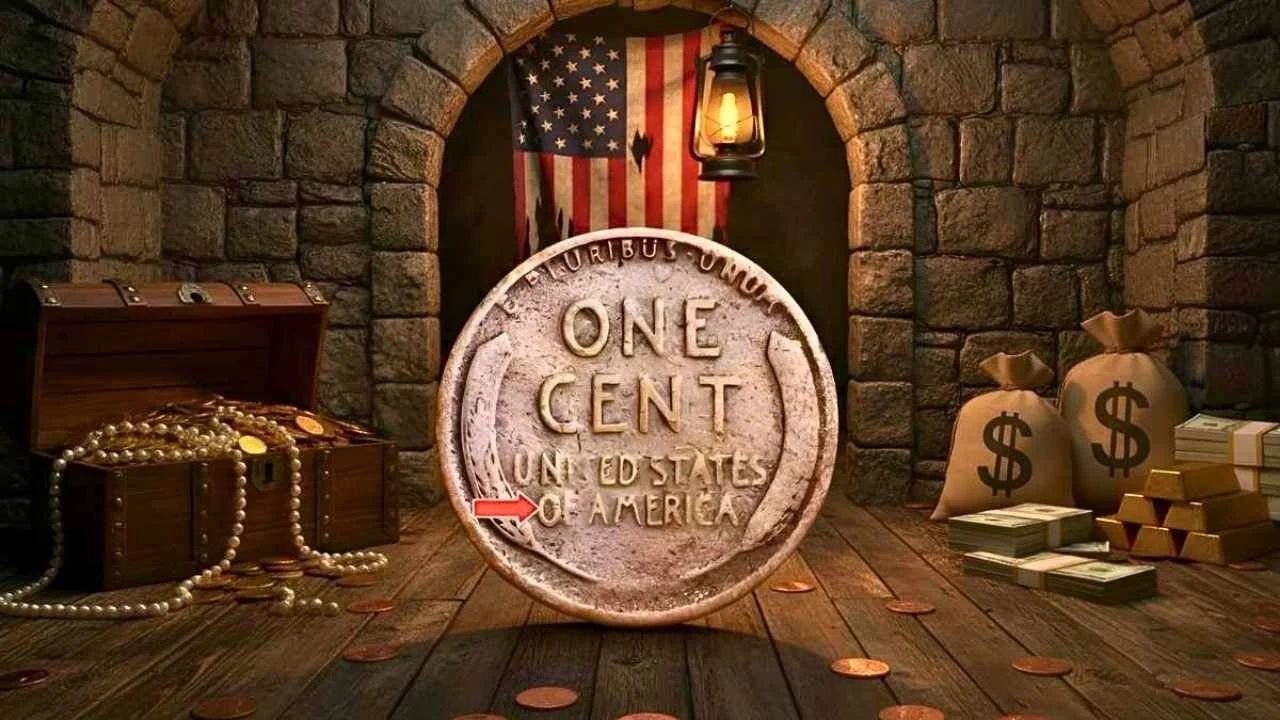
In a digital-first world dominated by instant payments and cryptocurrency, the enduring allure of rare coins is a reminder that history and tangible value remain unmatched. While most coins in circulation hold only their face value, select U.S. coins have transcended their humble origins, now commanding attention from seasoned collectors, investors, and enthusiasts alike. In 2026, three legendary pieces stand out: the 1943 Copper Penny, the 1955 Doubled Die Lincoln Cent, and the 1913 Liberty Head Nickel. These coins are prized not only for rarity but also for their historical significance and market potential.
The 1943 Copper Penny: A Wartime Rarity
During World War II, the U.S. Mint temporarily replaced copper pennies with zinc-coated steel to conserve copper for military production. In a rare oversight, a small number of copper planchets from 1942 were accidentally struck in 1943, producing one of the most famous minting errors in American history.
Why It Commands Six-Figure Values
- Composition: 95% copper
- Estimated Survivors: Fewer than 40 known across all mints
- Market Value (2026): $100,000 to $250,000+, depending on condition
The 1943 Copper Penny is more than a rare coin; it symbolizes the intersection of wartime urgency and human error, making it a cornerstone for high-end collections. Authentication is essential, as counterfeit copper-plated steel cents are widespread. Serious collectors rely on professional grading and metallurgical verification before making acquisitions. Pristine examples consistently achieve six-figure auction results, cementing their status as blue-chip collectibles.
The 1955 Doubled Die Penny: An Error That Jumps Out
For collectors seeking visually striking coins, the 1955 Doubled Die Lincoln Cent delivers like no other. Unlike subtle varieties that require magnification, this error is obvious to the naked eye. Misalignment during the hubbing process caused prominent doubling of the date and inscriptions, particularly “LIBERTY” and “IN GOD WE TRUST.”
Essential Details
- Distinctive Feature: Bold doubling on the obverse
- Estimated Survivors: Several thousand
- Market Value (2026): $20,000 to $50,000+ in top grades
While more attainable than the 1943 Copper Penny, the 1955 Doubled Die remains highly desirable, especially in mint-state condition. Coins graded MS65 or higher command significant premiums. Its accessibility makes it a strategic choice for collectors building an investment-grade portfolio, blending rarity with recognizability.
The 1913 Liberty Head Nickel: The Holy Grail of Numismatics
The 1913 Liberty Head Nickel is legendary, representing the pinnacle of rarity and collector intrigue. Only five examples exist, and the coin was never officially authorized for production. Its mystique has captivated collectors for over a century, cementing its status as the ultimate numismatic prize.
Rarity and Value
- Composition: 75% copper, 25% nickel
- Known Examples: 5
- Market Value (2026): $3 million to $5 million+
Each coin has a meticulously documented provenance, often tied to renowned collectors and high-profile auctions. The 1913 Liberty Head Nickel exemplifies exclusivity, with ownership limited to elite institutions and ultra-high-net-worth individuals. For investors, it remains a benchmark of rarity-driven wealth preservation.
Why Condition Makes All the Difference
In rare coin investing, condition is everything. Professional grading services assess coins on a scale from 1 to 70. Coins graded MS65 or higher can command exponential premiums compared to lower grades. Collectors prioritize sharp strike details, minimal surface blemishes, original luster, and overall eye appeal. Exceptional preservation, prooflike surfaces, and rare varieties can multiply a coin’s value, sometimes by millions for ultra-rare pieces like the 1913 Liberty Head Nickel.
2026 Market Trends in Rare Coins
The rare coin market remains robust in 2026, buoyed by global connectivity and digital auction platforms. Key trends include:
- High demand for certified, high-grade coins
- Rising interest in historic mint errors
- Growing participation from alternative asset investors
- Record-breaking auction results for iconic rarities
Rare coins are increasingly recognized as viable components of a diversified portfolio, alongside fine art, luxury watches, and vintage automobiles. Their scarcity, portability, and historical significance make them attractive as both investments and tangible pieces of history.
Strategies for Smart Collecting
Entering the rare coin market requires a strategic approach:
- Educate Yourself: Study key varieties and learn to identify authentic coins.
- Buy Certified Coins: Third-party grading ensures value and liquidity.
- Prioritize Quality: One exceptional coin often outperforms multiple average examples.
- Monitor Auctions: Transparency helps gauge fair market pricing.
- Protect Your Assets: Proper storage preserves long-term value.
Patience, research, and discipline are rewarded in this market, where knowledge directly translates to financial success.
More Than Money: Stories Embedded in Metal
These coins are more than financial instruments—they are historical artifacts:
- The 1943 Copper Penny tells of wartime adaptation.
- The 1955 Doubled Die Penny reflects a fascinating production anomaly.
- The 1913 Liberty Head Nickel embodies mystery and exclusivity.
Each coin carries a narrative that elevates its value far beyond mere metal, offering collectors a tangible connection to the past.
Final Thoughts
In 2026, rare U.S. coins continue to captivate both collectors and investors. The 1943 Copper Penny, 1955 Doubled Die Penny, and 1913 Liberty Head Nickel represent the pinnacle of rarity, craftsmanship, and historical significance. Ranging from tens of thousands to millions of dollars, their appeal is timeless. In an era dominated by digital assets, these small, tangible treasures remind us that history, artistry, and scarcity can still yield extraordinary, life-changing value.